Demos
Demos  Colors
 Docs
Docs  Support
Home 15
Newly Added




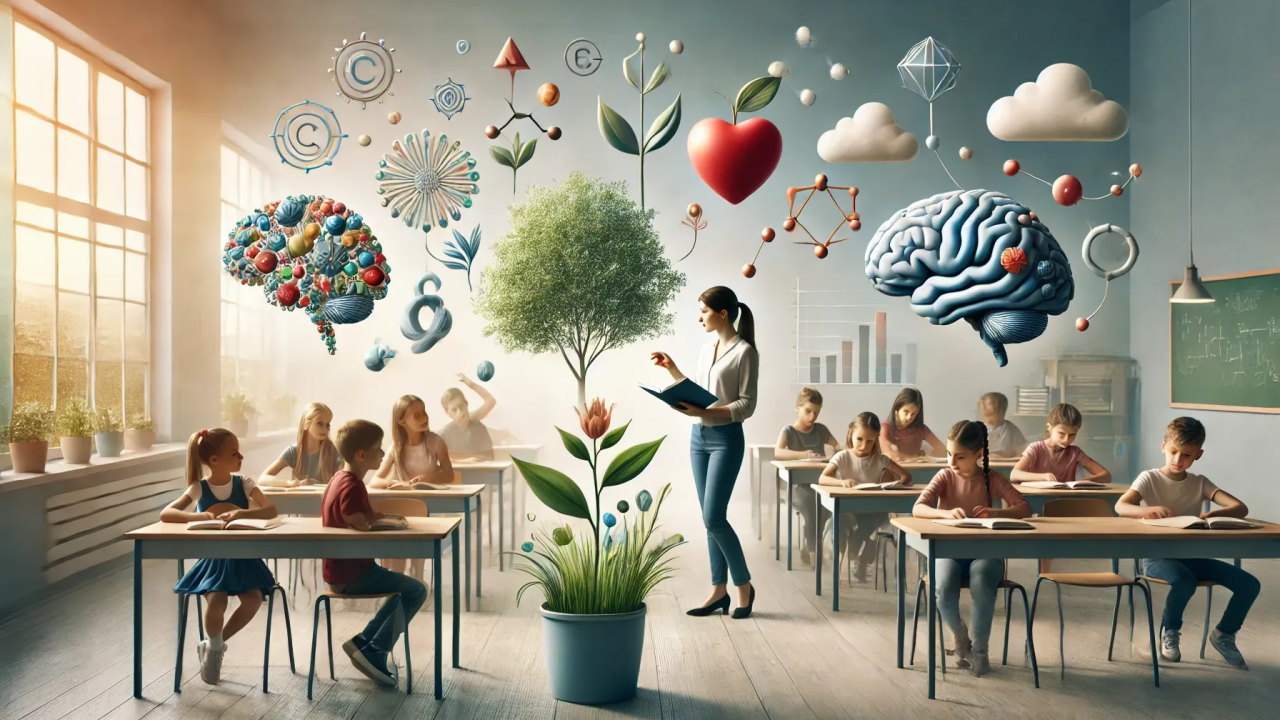
Success is not defined by academic achievement alone. True success is a balance of emotional well-being, mental strength, and personal growth. In today’s demanding world, students face academic pressure, social challenges, and emotional stress. Prioritizing emotional well-being plays a crucial role in helping learners achieve long-term success in both education and life.
Emotional well-being refers to the ability to understand, manage, and express emotions in a healthy way. It helps individuals cope with stress, build positive relationships, and make thoughtful decisions.
A student with strong emotional well-being can:
Emotional health is directly linked to personal and academic success. When students feel emotionally safe and supported, they perform better, remain engaged, and develop resilience.
Emotionally balanced students are more focused, confident, and open to learning, which leads to improved academic outcomes.
Emotional awareness helps students make thoughtful decisions, set priorities, and take responsibility for their actions.
Students with emotional strength learn to bounce back from failures and view challenges as learning opportunities.
Emotional well-being builds self-esteem, enabling students to believe in themselves and pursue goals with confidence.
Emotional intelligence (EQ) is the ability to recognize one’s own emotions and understand others’ feelings. High EQ is essential for leadership, teamwork, and long-term success.
Key components of emotional intelligence include:
Developing EQ equips students with skills that go beyond academics and prepare them for real-world challenges.
Schools and learning institutions play a vital role in nurturing emotional well-being by creating a safe, inclusive, and supportive environment.
Effective approaches include:
When emotional well-being is prioritized, students feel valued and motivated to succeed.
In the age of social media and constant connectivity, students face new emotional challenges such as comparison, cyber pressure, and digital fatigue. Teaching emotional awareness and healthy digital habits helps students maintain balance and confidence in a digital world.
Focusing on emotional well-being results in:
Emotionally healthy individuals are better prepared to handle professional responsibilities and personal relationships.
Emotional well-being is the foundation of true success. By supporting students’ emotional needs alongside academic learning, educators empower them to grow into confident, resilient, and compassionate individuals. Success achieved with emotional balance is not only sustainable but deeply fulfilling.
A future built on emotional well-being is a future built on strength, confidence, and purpose.
Transforming Learning for a Smarter Future The rapid advancement of technology has reshaped every aspect…
Nurturing Focus, Purpose, and Lifelong Success In today’s fast-paced and highly competitive world, students face…
We believe that learning should heal, not stress. That’s why our approach centers on care, connection, and compassion. Our educators and counselors guide each learner through a personalized path toward excellence and self-awareness.
Read More