Demos
Demos  Colors
 Docs
Docs  Support
Home 15
Newly Added



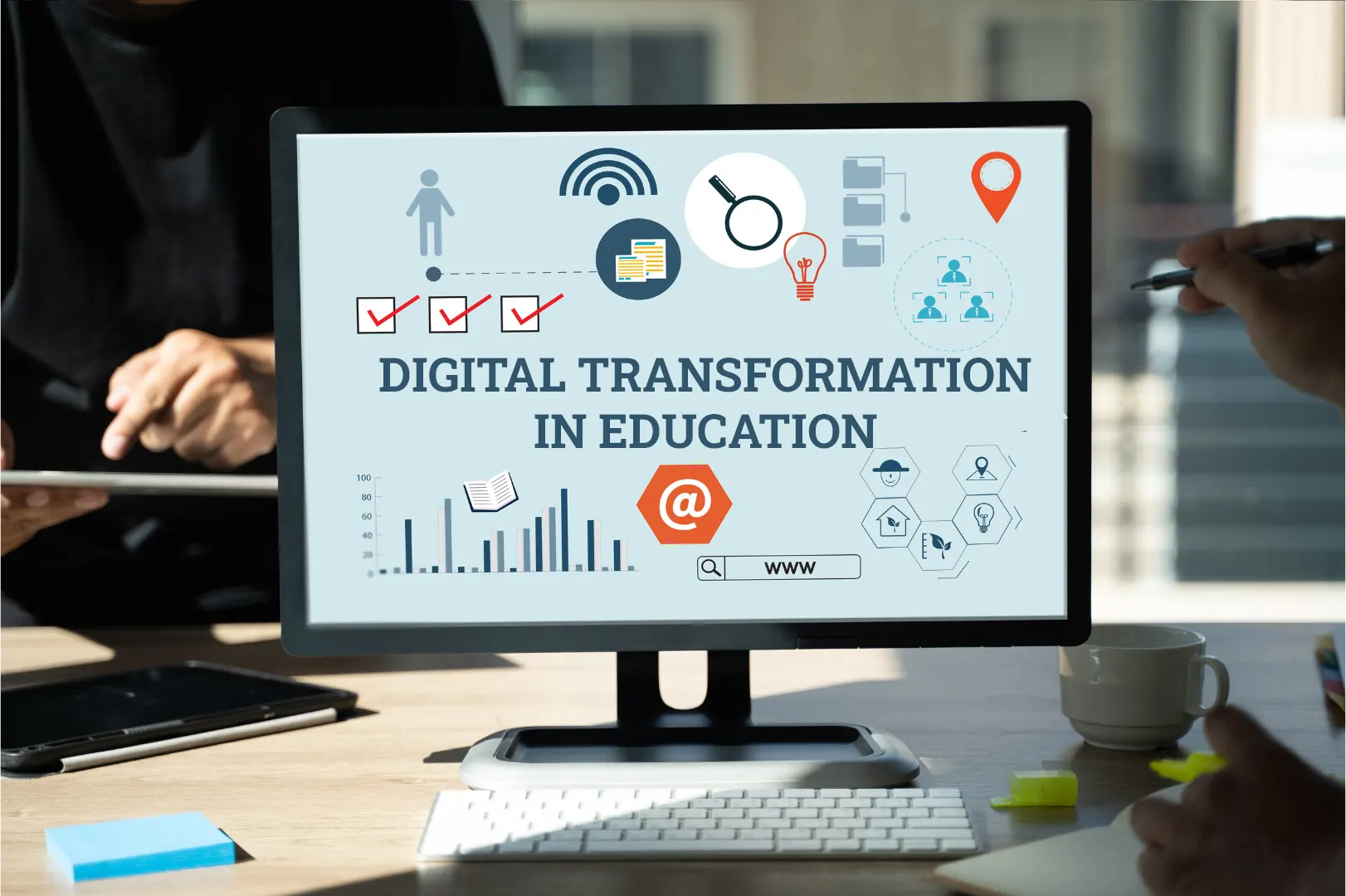
The rapid advancement of technology has reshaped every aspect of our lives, and education is no exception. Digital innovation in education has revolutionized the way students learn, teachers teach, and institutions operate. By integrating technology with modern teaching strategies, digital education is creating more accessible, engaging, and personalized learning experiences.
Innovation in digital education refers to the use of modern technologies, creative methodologies, and digital tools to improve teaching and learning outcomes. It goes beyond online classes and includes interactive platforms, smart learning systems, and data-driven education.
Digital innovation focuses on:
Digital platforms allow students to learn anytime and anywhere. Blended learning combines traditional classroom teaching with online resources, offering flexibility and deeper understanding.
LMS platforms help organize content, track progress, conduct assessments, and improve communication between students and teachers.
AI-powered tools personalize learning experiences by adapting content to students’ pace, strengths, and learning styles.
Videos, simulations, animations, and gamified lessons make learning more engaging and improve knowledge retention.
Real-time virtual classes and digital collaboration tools encourage teamwork, discussion, and global connectivity.
Innovative digital education brings numerous advantages for learners and institutions:
These benefits prepare students for the demands of the modern workforce.
Teachers remain at the heart of digital education. Technology empowers educators to adopt new teaching methods, monitor student performance effectively, and provide targeted support.
Digital innovation transforms teachers into facilitators, mentors, and guides, enhancing the overall learning experience.
The digital world requires skills such as critical thinking, creativity, collaboration, and technological literacy. Innovative digital education equips students with future-ready skills by:
While digital education offers immense opportunities, challenges such as digital divide, internet accessibility, and teacher training must be addressed. Continuous investment in infrastructure, training, and inclusive policies ensures sustainable digital growth.
Innovation in digital education is not just a trend—it is a necessity for building a progressive and inclusive learning system. By embracing technology-driven solutions, educational institutions can unlock new possibilities, empower learners, and shape a smarter, more connected future.
Digital innovation is paving the way for education without boundaries.
Building Strong Minds for a Successful Future Success is not defined by academic achievement alone.…
Nurturing Focus, Purpose, and Lifelong Success In today’s fast-paced and highly competitive world, students face…
We believe that learning should heal, not stress. That’s why our approach centers on care, connection, and compassion. Our educators and counselors guide each learner through a personalized path toward excellence and self-awareness.
Read More