Demos
Demos  Colors
 Docs
Docs  Support
Home 15
Newly Added



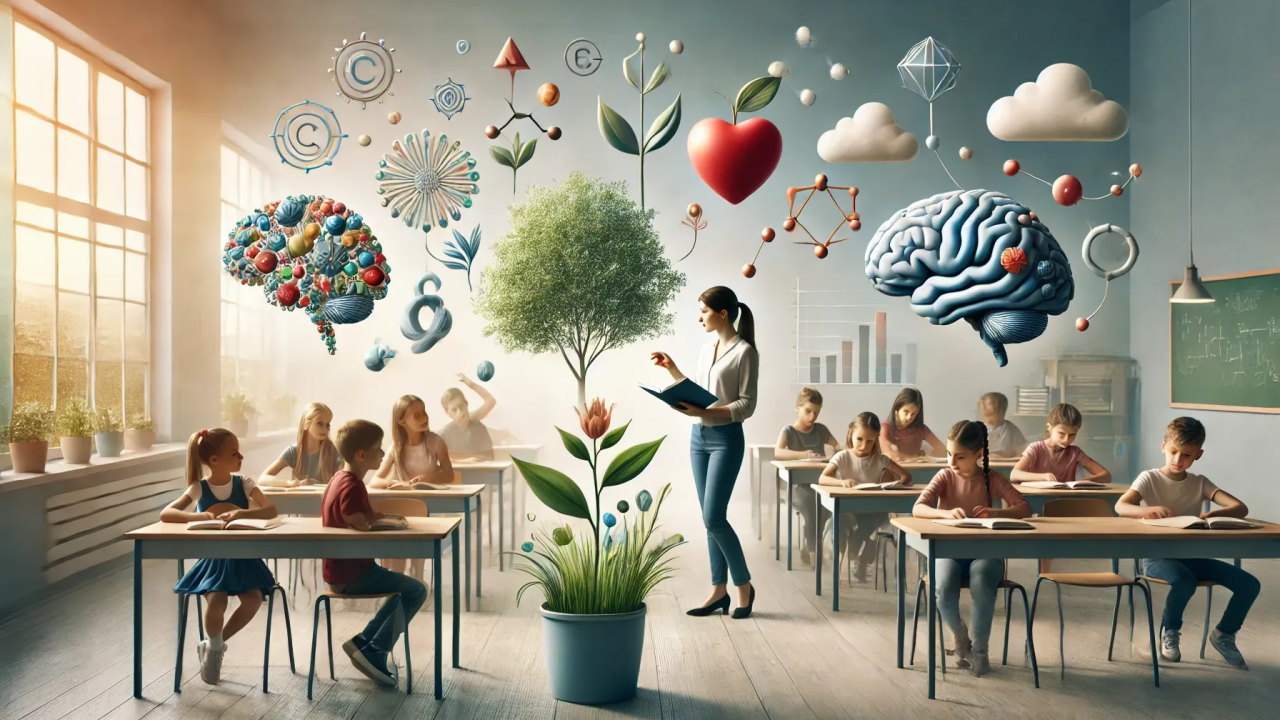
In today’s fast-paced and highly competitive world, students face constant pressure to perform, multitask, and meet expectations. Amidst this hustle, mindful learning has emerged as a powerful approach that not only enhances academic performance but also strengthens motivation, emotional intelligence, and mental well-being. When combined, mindful learning and motivation create a balanced pathway toward sustainable success.
Mindful learning is the practice of being fully present, attentive, and aware during the learning process. It encourages students to focus on the moment, understand concepts deeply, and engage with curiosity rather than fear or pressure.
Instead of rote memorization, mindful learning promotes:
By slowing down and paying attention, students learn how to learn, not just what to learn.
Motivation is the inner drive that pushes students to set goals, overcome challenges, and stay committed to their education. Without motivation, even the most talented learners can struggle.
There are two main types of motivation:
Mindful learning strengthens intrinsic motivation by helping students connect learning with meaning and self-growth.
When students practice mindfulness, they develop clarity, confidence, and emotional control. This directly impacts motivation in several ways:
Mindfulness trains the mind to avoid distractions, allowing students to stay focused on tasks and goals.
By managing stress and exam pressure, students feel calmer and more confident, increasing their willingness to learn.
Mindful learners become more aware of their strengths and areas of improvement, fostering a positive self-image.
Mindfulness encourages reflection, helping students set realistic goals and stay motivated to achieve them.
The integration of mindful practices in education leads to long-term benefits, including:
Students not only excel academically but also grow into balanced, confident, and responsible individuals.
Educational institutions can promote mindful learning and motivation through simple yet effective practices:
These strategies help students feel valued, motivated, and mentally prepared to learn.
With technology becoming an integral part of education, mindful learning is more important than ever. Teaching students to use digital tools responsibly, avoid information overload, and stay focused online ensures healthier learning habits.
Mindfulness helps students balance screen time with self-discipline and purpose.
Mindful learning and motivation are not just educational trends—they are essential life skills. By nurturing awareness, focus, and inner drive, educators empower students to thrive academically and emotionally. A mindful learner is not only motivated to succeed in exams but is also prepared to face life’s challenges with confidence and clarity.
Investing in mindful learning today is an investment in stronger minds, healthier hearts, and a brighter future.
Transforming Learning for a Smarter Future The rapid advancement of technology has reshaped every aspect…
Building Strong Minds for a Successful Future Success is not defined by academic achievement alone.…
We believe that learning should heal, not stress. That’s why our approach centers on care, connection, and compassion. Our educators and counselors guide each learner through a personalized path toward excellence and self-awareness.
Read More